简体中文
简体中文 Russian

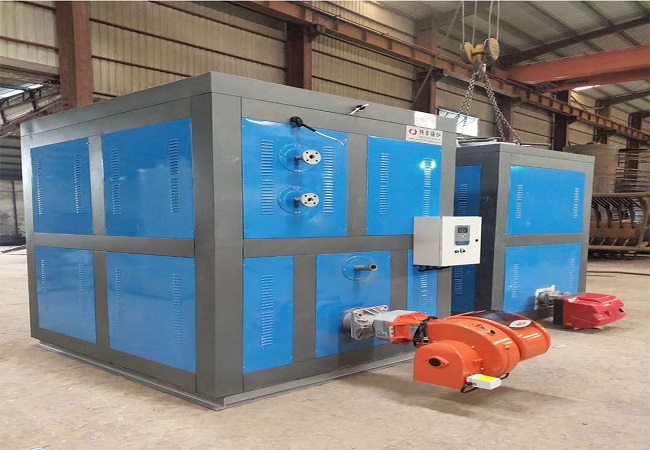
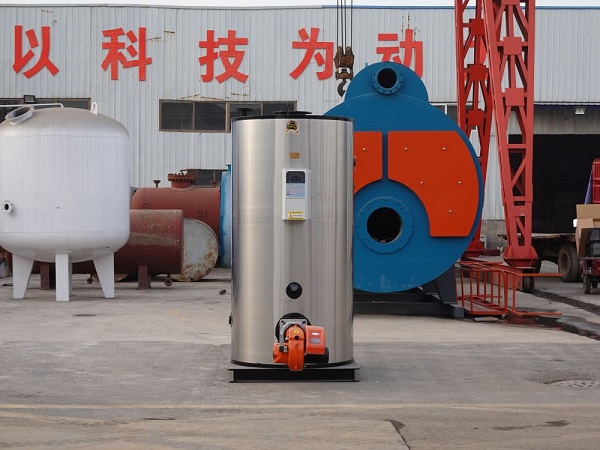
High and low temperature biomass pellet hot blast stove
Boiler medium: high temperature pure air/high temperature mixed air
Work pressure: normal pressure
Capacity: 100000 to 18 million kcal/0.1 to 30 t/h
Applicable fuels: biomass pellets, straw, wood chips, corn cobs, sawdust, palm shells, rice husks, etc
Application industry: 1. Metal surface coating - high-temperature curing after spray painting. 2. Pharmaceutical industry - drying of traditional Chinese medicinal materials. 3. Grain processing industry - deep processing and drying of grains, as well as starch drying. 4. Food industry - cookie baking, instant noodles, noodle drying, conveyor belt dryer. 5. Wood processing industry - drying of wood, fiberboard, and plywood. 6. Textile printing and dyeing - printing drying, heat setting, hot air stretching. 7. Chemical industry - drying of chemical raw materials. 8. Automotive industry - tunnel style drying room.
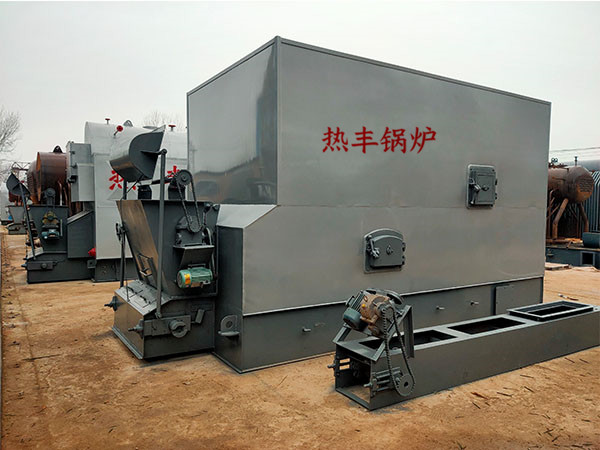
Product Introduction
The WRFL series horizontal hot air stove is an organic combination of a mechanical chain grate combustion device and a heat exchanger designed according to specific working conditions. It is specifically designed for use in drying systems, providing an energy-saving heat source that can reach 550 ℃ pure hot air and 750 ℃ mixed air. It has the characteristics of pollution-free heating, stable and adjustable output temperature, and high thermal efficiency (up to 80% or more). The technical indicators of the equipment have reached the advanced level in China. Widely used in industries such as chemical, grain, medicinal, mineral, mining, food, and building materials, it can serve as an ideal heat source for heating, drying, baking, heat setting, heating, greenhouse farming, and dehumidification in warehouses. This furnace uses biomass as the heat source and adopts a horizontal layout and mechanized combustion method, which reduces the labor intensity of workers and improves combustion efficiency. It is exclusively designed as an indirect heating, horizontal plate structure, with simple structure, high heat transfer efficiency, significant energy saving, less dust pollution to the heat exchanger, uniform heat stress, avoids heat transfer dead corners, and long service life.
1. The heat exchange tube adopts a vertical structure to increase the diameter and prevent pipe blockage in traditional hot air furnaces.
2. The outer wall of the heat exchange tube is wrapped with high-temperature resistant fins and wall temperature control technology is used to increase the heat exchange area and reduce the wall temperature of the metal material. At the same time, carbon steel heat-resistant treatment technology is adopted to improve the service life and reduce manufacturing costs without using alloy steel.
3. The furnace arch adopts infusion, avoiding the drawbacks of short service life, multiple cracks, and unsuitable replacement caused by pouring.
4. Adopting strengthened heat transfer elements, saving metal materials, reducing exhaust temperature, the thermal efficiency of the hot blast stove reaches over 70%, and the service life is more than twice that of traditional hot blast stoves.
5. Adopting optimized design, the cold air is circulated multiple times, resulting in low resistance, low energy consumption, and a 10% increase in thermal efficiency of the hot blast stove.
6. Automatic temperature control, with a temperature difference range of no more than 5 ℃. The hot air temperature is divided into three different specifications: low temperature, medium temperature, and high temperature within the range of 60 ℃ to 750 ℃.