简体中文
简体中文 Russian

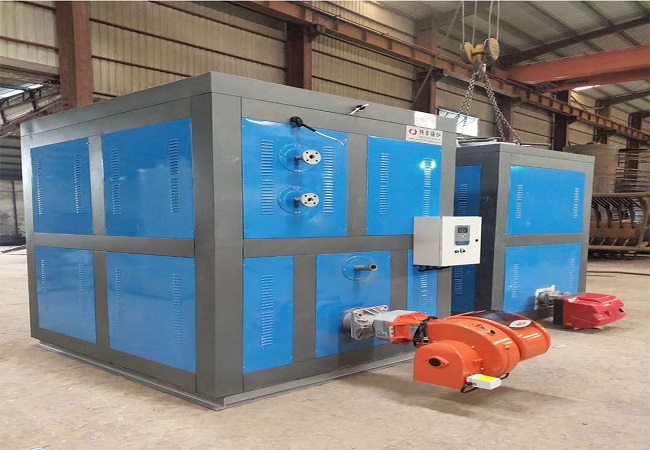
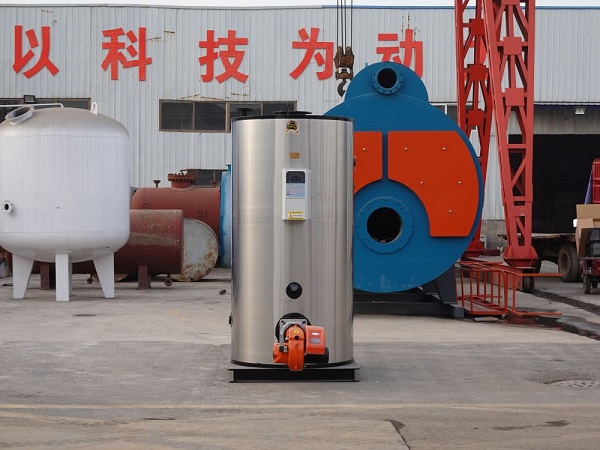
Biomass steam boiler
Boiler medium: steam/hot water
Work pressure: 0.7-1.0Mpa
Capacity: 0.3-4t/h
Applicable fuels: biomass pellets, straw, wood chips, corn cobs, sawdust, palm shells, rice husks, etc
Application industries: medicine, chemical industry, light industry, textile, building materials, breeding, food and beverage, plastic foam, printing and washing, rubber processing, paper making, wood processing, hotels, clothing, etc.
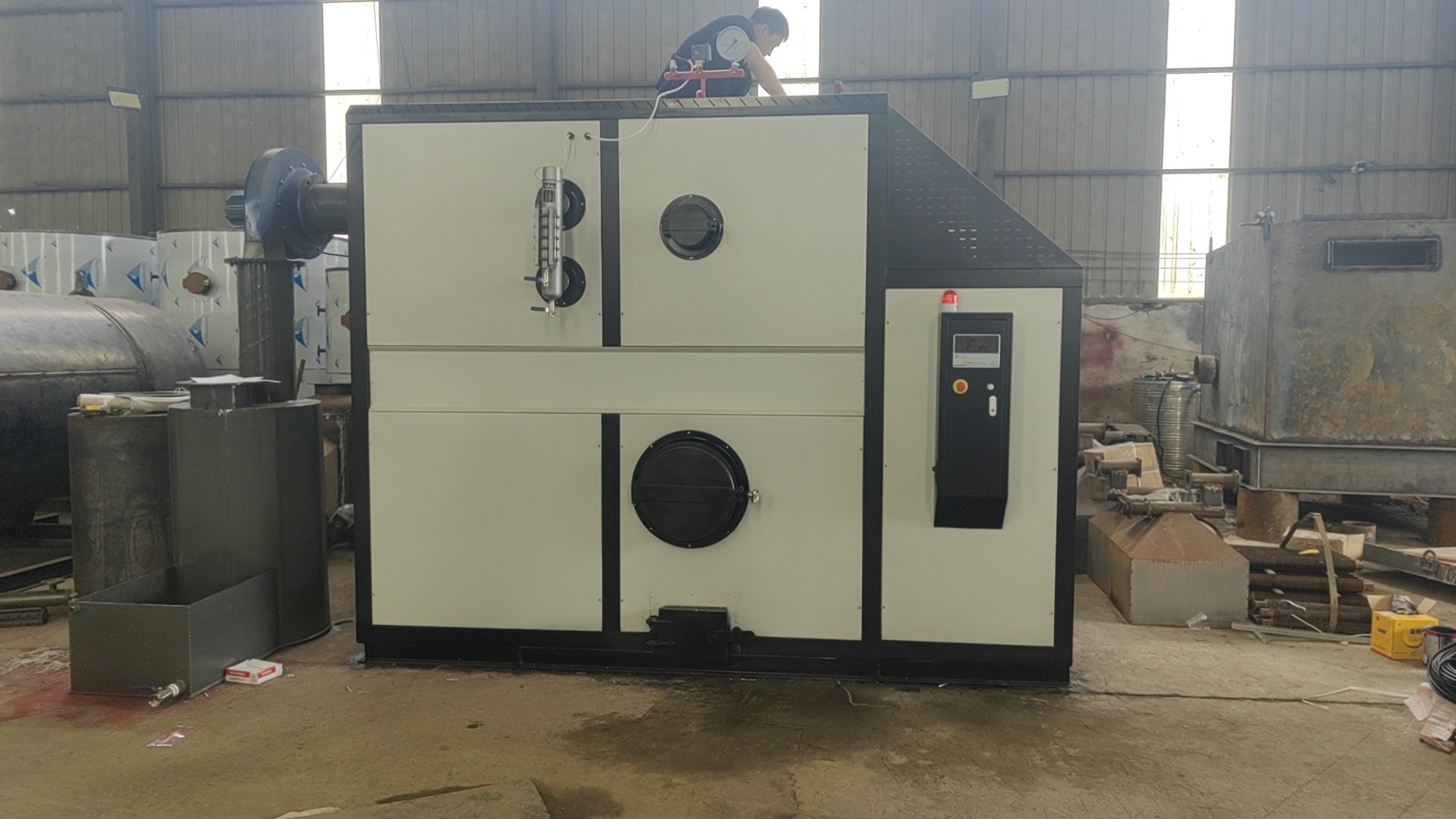
The biomass pellet steam boiler adopts a multi tube and multi pass design, with high combustion efficiency and a large capacity semi gasification combustion chamber. It is equipped with automatic air distribution and combustion control, and a flue gas recovery device. The comprehensive fuel combustion efficiency is ≥ 90%. The feeding system adopts advanced screw rotation driven feeding device, and the feeding is precise and adjustable in speed. Only the storage bin needs to be filled up at once, and the feeding is automatically adjusted, saving time and effort, without the need for professional furnace operators. The safety configuration has multiple protection devices such as pressure, water shortage, and safety valves, which display the operating status in real time to ensure stable, safe, and reliable operation of the boiler.
1. The inlet system adopts a diversion type reverse inlet method, and the supply water enters the generator after heat exchange from the tail waste heat recovery device. Steam can be released within 10 minutes from successful ignition, and the exhaust temperature is very low.
2. Induced draft system: The induced draft fan adopts a dedicated low-noise, high-temperature resistant long shaft motor; Equipped with imported bearings, it has a long service life.
3. The control system is equipped with an integrated microcomputer control system, which enables one click operation and has the functions of automatic feeding, automatic ignition, blowing and induced draft program parameter setting. The size of the ignition can be directly adjusted by shifting gears.
4. Feeding system: A gap is formed between the primary and secondary feeds of the feeding system, and there are flame arresters. There is no tempering phenomenon, and the load of the feeding system is reduced to reduce faults.