简体中文
简体中文 Russian

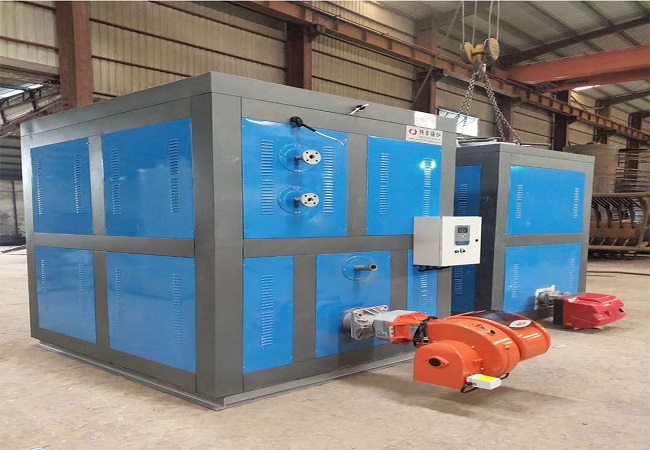
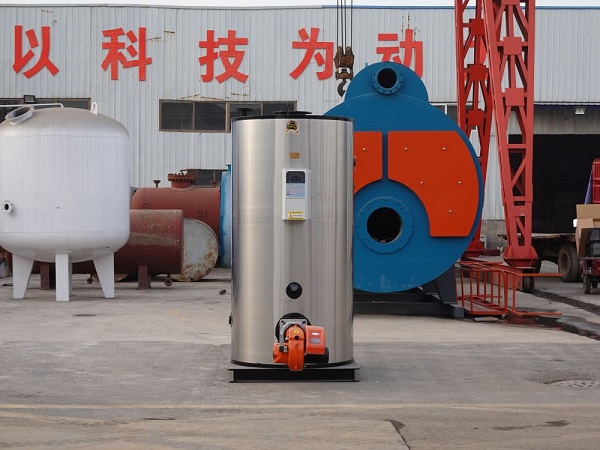
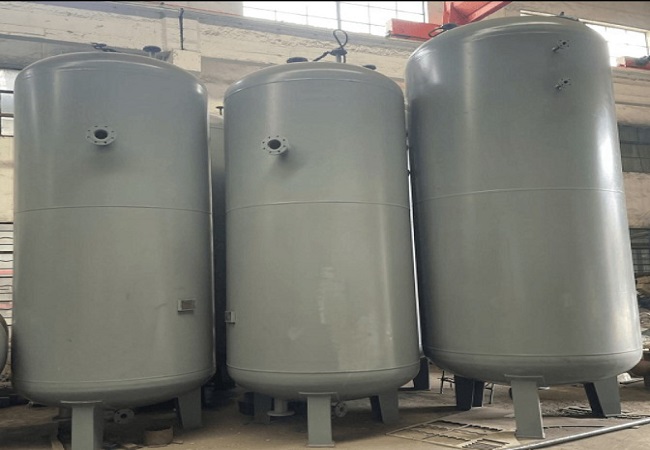
Thermal oil generator
Our company is one of the earliest to design and produce ZFQ (horizontal) and ZF (vertical) steam generators that are compatible with organic carrier heating furnaces. The specification is 0.1 t、0.2t、0.3t、O5t、0.8t、1.0t、1.5t、2t、3t、4t、5t、6t、8t、10t、12t Waiting for a series of products. It can also be designed and manufactured according to user needs. The product design adopts the principle of kettle heating and evaporation, which can continuously or intermittently produce steam according to actual working conditions, rather than a direct flame heating device. There are two types of structural forms: vertical and horizontal. This steam generator is safe, reliable, and saves investment, energy, and operating costs. It has a compact structure, easy installation and maintenance, simple operation, easy use, and reliable quality! There are two types of structural forms: vertical and horizontal. The design and manufacturing of the product comply with the relevant provisions of the Safety Technical Supervision Regulations for pressure vessels.
The organic heat carrier heating furnace is used in conjunction with our steam generator, which can not only provide users with high-temperature media, but also provide them with the required steam to meet production needs and expand their application areas. Steam generators are widely used in industries such as textile printing and dyeing, food processing, rubber, wood processing, oil and fat, chemical industry, etc. They meet the industrial requirements of using only one organic heat carrier furnace to mature steam, saving equipment investment and labor.
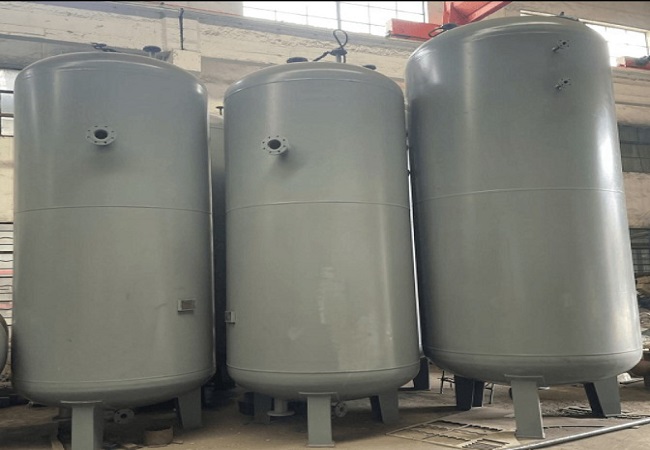
working principle
This evaporator consists of two parts: the hot oil section and the steam generator.
The hot oil part is high-temperature heat transfer oil that enters the tube bundle of the steam generator through the heat transfer pump or directly from the heat carrier heating furnace. The heat inside the tube is transferred to the boiler water outside the tube at a certain flow rate and temperature through the tube wall, heating the water and cooling the heat transfer oil, which returns to the heating furnace for recycling.
Steam generators use softened water, and if preheated, the evaporation rate can be increased. Water enters the evaporator from the bottom, and is heated by natural convection to generate steam on the heating surface. It is then converted into unsaturated steam through underwater and uniform orifice plates and sent to the steam separator to provide gas for production and daily use.