简体中文
简体中文 Russian

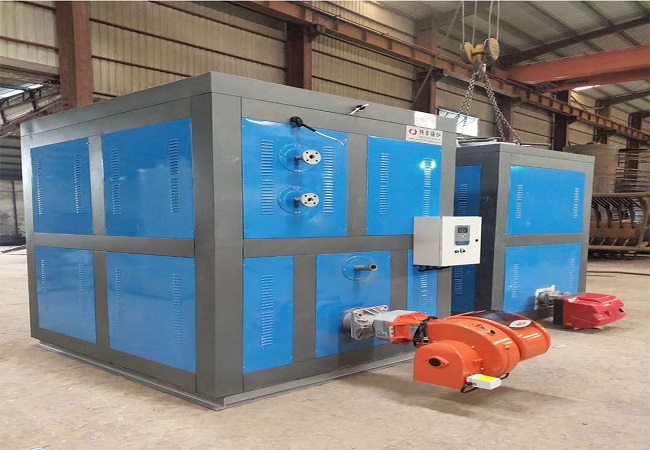
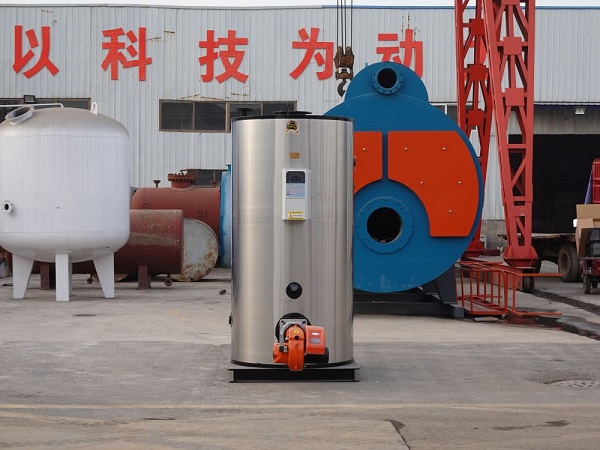

Heat pipe technology is a new type of heat transfer technology that emerged in the 1960s. It is a significant invention and technological achievement in the field of heat transfer, bringing enormous practical value to human society.
The heat pipe waste heat boiler is a vertical structure consisting of upper and lower parts. The upper part is the steam drum, and the lower part is the smoke box (smoke channel). Heat transfer element - heat pipe passes through the middle membrane. The heating section of the flue is welded with high-frequency welding fins to enhance heat transfer, and the heat release section of the steam drum is a smooth tube.
Due to the use of heat pipes as efficient thermal conductive components, the heating section of the heat pipe element adopts high-frequency welded spiral fins to enhance heat transfer. The entire device has high heat transfer efficiency, compact equipment, and relatively low flow resistance of flue gas and steam on the hot side. Each heat pipe in the system is relatively independent. Damage to a single or multiple heat pipes does not affect system operation and can be replaced at any time; The calculation of the heating surface of the system fully considers the dew point temperature of the flue gas, ensuring the normal operation of the heat pipe system.
Heat pipes can independently change the heating area of the sweating or cooling section, that is, heat can be input with a smaller heating area and output with a larger cooling area, or heat pipes can input heat with a larger heat transfer area and output heat with a smaller cooling area. Heat pipes are the main heat transfer components of waste heat recovery devices, which are fundamentally different from general heat exchangers. The heat transfer efficiency of the heat pipe waste heat recovery device can reach over 98%, which is incomparable to ordinary heat exchangers.
With the development and maturity of heat pipe technology, heat pipe waste heat boilers are playing an increasingly important role in energy-saving utilization in power plants, steel, metallurgy, petroleum, chemical, building materials, light industry, refrigeration and air conditioning, electronics and other fields. The application of heat pipe technology will promote China's energy-saving operation process and reduce thermal pollution to the environment. This is a very promising skill.